
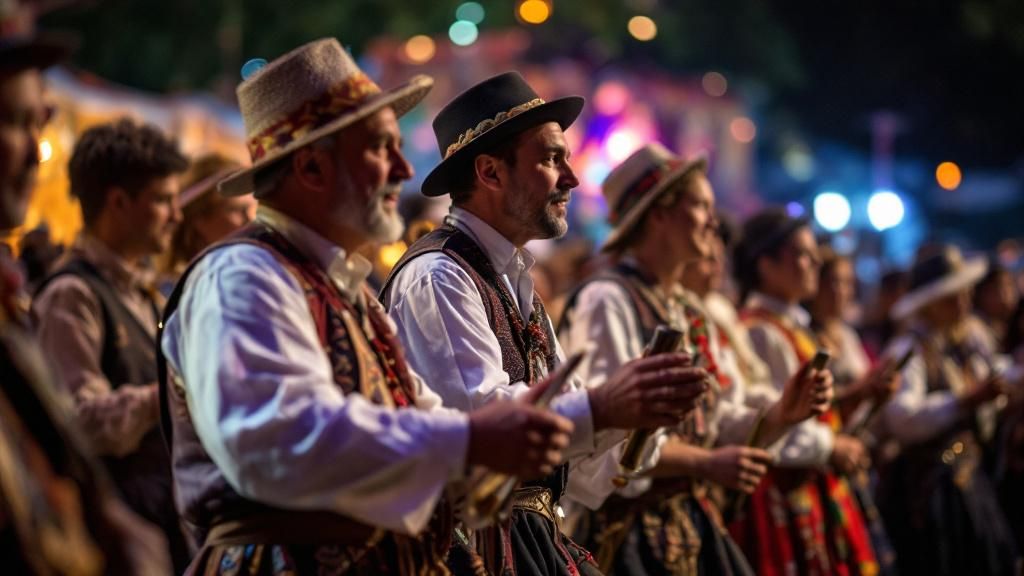
Across the British Isles, dynamic folk festivals display the rich tapestry of local customs that characterise Scotland, Wales and England. From lively ceilidhs in the Highlands to rousing eisteddfods in Welsh valleys, these gatherings safeguard time-honoured traditions whilst uniting communities in celebratory spirit. This article examines the most captivating festivals that celebrate local heritage, looking at how heritage music, dance and narrative arts continue to flourish in contemporary Britain, and why these valued celebrations are essential to cultural heritage and regional pride.
Scottish Highland Games and Traditional Celebrations
The Tradition of Highland Games
The Scottish Highland Games represent one of Britain’s most distinguished cultural celebrations, attracting visitors from all over the world to observe displays of traditional athleticism and cultural legacy. These gatherings, held throughout summer in towns throughout Scotland, feature distinctive competitions including caber tossing, putting the stone and hammer throwing. Stemming from historic clan assemblies, Highland Games embody the spirit of Scottish fortitude and shared heritage. The biggest gatherings, such as the Braemar Gathering, draw vast crowds who celebrate not merely sport, but the protection of Highland identity and ancestral customs that have endured for generations.
Music and dance create the beating centre of Highland Games celebrations, with pipe bands contending intensely whilst traditional dancers perform intricate Highland reels and jigs. These performances highlight Scotland’s musical heritage, incorporating bagpipes, fiddles and drums that reverberate around glens and valleys. Competitors, often dressed in authentic tartan regalia, display impressive ability and dedication to maintaining these enduring practices. The atmosphere combines competitive drive with true fellowship, as participants and spectators alike honour their shared cultural legacy and the continued relevance of Highland traditions in contemporary Scottish society.
Classical Music and Ceilidh Culture
Ceilidhs, pronounced “kay-lees,” represent quintessential Scottish social occasions where music, dance and storytelling blend together. These informal celebrations include traditional Scottish folk musicians performing on fiddles, accordions and pipes whilst attendees take part in spirited country dances and reels. Ceilidhs function as important community venues where younger generations learn traditional dances and musical traditions from seasoned performers, ensuring cultural knowledge passes naturally across different age groups. Whether hosted in village halls or festival grounds, ceilidhs reflect the warm spirit of Scottish culture, embracing both seasoned dancers and newcomers into inclusive, spirited celebrations.
The renewed growth of ceilidh culture throughout Scotland shows how traditional celebrations evolve and thrive within modern contexts. Contemporary ceilidhs often combine historical authenticity with modern social customs, engaging diverse audiences including tourists, young professionals and people looking for meaningful cultural engagement. Professional ceilidh bands travel regularly, playing at festivals, weddings and community events, whilst casual performances in pubs and community centres keep traditions alive at grassroots level. This vibrant ecosystem maintains Scottish musical heritage remains dynamic and relevant, creating venues where tradition and modernity coexist harmoniously in towns and cities nationwide.
Seasonal Celebrations and Regional Differences
Scotland’s celebrations schedule features a wide range of regional celebrations that capture community history and seasonal significance during every season. Events like the Edinburgh Festival Fringe showcase present-day Scottish creativity together with traditional performances, whilst grassroots events honour community past and practices particular to separate communities. Winter festivals, featuring New Year festivities across Scottish cities, include heritage sounds, outdoor acts and communal gatherings that mark the change of year. These seasonal events establish rhythmic cultural patterns that connect communities to their place, past and common practices, cementing regional identity through consistent observance and communal involvement.
Regional differences in festival traditions showcase Scotland’s diverse geographical and cultural landscape, with island communities, lowland towns and highland regions each maintaining distinctive festive practices. The Shetland Folk Festival celebrates Nordic influences capturing the islands’ Viking heritage, whilst West Highland festivals emphasise Gaelic language and culture. These variations illustrate how Scottish traditions continue as living, evolving practices rather than static historical artefacts. Communities actively shape their festivals to embody contemporary values whilst honouring ancestral customs, creating celebrations that feel authentically grounded within local experience. This dynamic approach ensures Scottish folk traditions sustain relevance and vitality across generations.
Welsh National Eisteddfod: Music, Poetry and Cultural Pride
A Centuries-Old Custom
The Welsh Eisteddfod serves as one of Britain’s most prestigious cultural celebrations, with roots reaching back over a thousand years. This noteworthy celebration highlights the very essence of Welsh identity through competitive events in music, drama and poetry. Participants from across Wales and beyond gather to demonstrate their creative abilities, competing for prestigious awards and recognition. The event reflects the Welsh resolve to safeguarding the cultural traditions and Welsh language, making it much more than a straightforward entertainment destination—it constitutes a living connection to ancestral traditions and cultural pride.
Held every year in various venues throughout Wales, the National Eisteddfod attracts thousands of competitors and spectators who honour Welsh creative achievement. The festival showcases performances in both Welsh and English, though the Welsh language stays at the heart of its character and mission. Vocal ensembles, solo performers, musicians and verse writers display remarkable ability across various divisions and age brackets. The competitive spirit promotes high standards whilst building community participation, making the Eisteddfod a cornerstone of Welsh cultural life and a beacon of artistic achievement throughout the nation.
Musical and Verse Mastery
Music forms the lifeblood of the Welsh Eisteddfod, with vocal ensembles embodying a deeply valued tradition. Welsh male voice choirs have achieved global distinction, their resonant tones resonating across valleys and performance venues worldwide. The festival offers a stage for these ensembles to demonstrate their artistry and devotion, competing fiercely for acclaim. Beyond choral music, the Eisteddfod honours solo vocalists, instrumentalists and modern musical artists, confirming that different musical forms enjoy equal appreciation and promotion within this distinguished artistic framework.
Poetry contests at the Eisteddfod preserve the ancient Welsh bardic tradition, celebrating linguistic artistry and artistic creativity. Competitors compose verses in Welsh, exploring themes ranging from personal emotion to national significance. The Crown and Chairing ceremonies acknowledge the year’s most distinguished poets, bestowing honour and prestige upon winners. These poetic competitions preserve the Welsh language’s beauty and complexity, inspiring new generations to participate in traditional literary forms whilst exploring contemporary themes, ensuring this important cultural tradition continues to thrive and evolve.
Community Influence and Cultural Importance
The Eisteddfod’s reach extends far beyond the festival grounds, significantly affecting Welsh communities and cultural consciousness. Eisteddfods across Wales nurture emerging talent and encourage participation from every age group and skill level. Local schools and communities run their own events, creating pathways for people to build artistic abilities and develop confidence. This grassroots approach makes certain that the Eisteddfod’s principles spread through Welsh society, creating an environment where cultural engagement and artistic creativity are celebrated and valued across the entire nation.
Beyond its artistic accomplishments, the National Eisteddfod operates as a potent emblem of Welsh identity and resilience. The festival produces financial gains for host communities whilst strengthening social bonds and heritage appreciation amongst participants and audiences alike. By preserving the Welsh language and celebrating indigenous artistic traditions, the Eisteddfod ensures that Welsh cultural heritage remains dynamic and significant for coming generations. Its lasting achievement demonstrates how traditional celebrations can evolve and thrive in modern times, remaining essential to regional identity and national consciousness.
British Folk Festivals and Heritage Traditions
England’s folk festival landscape reflects a vibrant collection of regional customs and musical legacy that stretches across centuries. From the rolling Cotswolds to the rugged Cornish coast, historic festivities highlight distinctive local character. Events such as the Sidmouth Folk Festival and Cambridge’s Folk Festival draw in thousands of enthusiasts each year, presenting authentic morris dancing, maritime ballads and folk songs. These events function as vital custodians of English cultural identity, preserving performance styles and instrumental techniques that would otherwise disappear from collective memory.
The English folk tradition encompasses varied regional expressions, each featuring particular features and heritage value. Northumbrian piping traditions for example, differs markedly from West Country practices, whilst East Anglian traditions maintain their own characteristic identity. Contemporary celebrations recognise these variations whilst strengthening local bonds and intergenerational knowledge transfer. Through performances, workshops and community sessions, attendees connect directly with skilled practitioners and seasoned professionals, guaranteeing that conventional abilities continue flourishing amongst younger audiences and preserving the living cultural landscape that defines contemporary English folk tradition.
Principal English Traditional Festivities
Historic festivals in England offer key venues for folk artists and enthusiastic audiences alike. The Cropredy Convention near Banbury has gained legendary status amongst traditional music fans, showcasing not only established artists but emerging talents within the community. Similarly, the Shrewsbury Folk Festival showcases local artists alongside international performers, fostering dynamic cultural exchanges. These gatherings bring substantial financial gains for neighbouring areas whilst reinforcing England’s standing as a guardian of authentic folk traditions, bringing visitors from Europe and worldwide.
Beyond long-standing festivals, countless village celebrations and market town events preserve grassroots folk traditions throughout England’s diverse regions. Whitby Folk Week, perched on the Yorkshire coast, focuses on maritime heritage and conventional maritime music, establishing links between contemporary performers and historical seafaring communities. Meanwhile, the Broadstairs Folk Week celebrates the lasting significance of traditional ballads and contemporary folk compositions. These smaller-scale celebrations often prove equally significant in maintaining regional traditions, supporting regional musicians and sustaining the cultural continuity that characterises English heritage across generations and geographical boundaries.
